
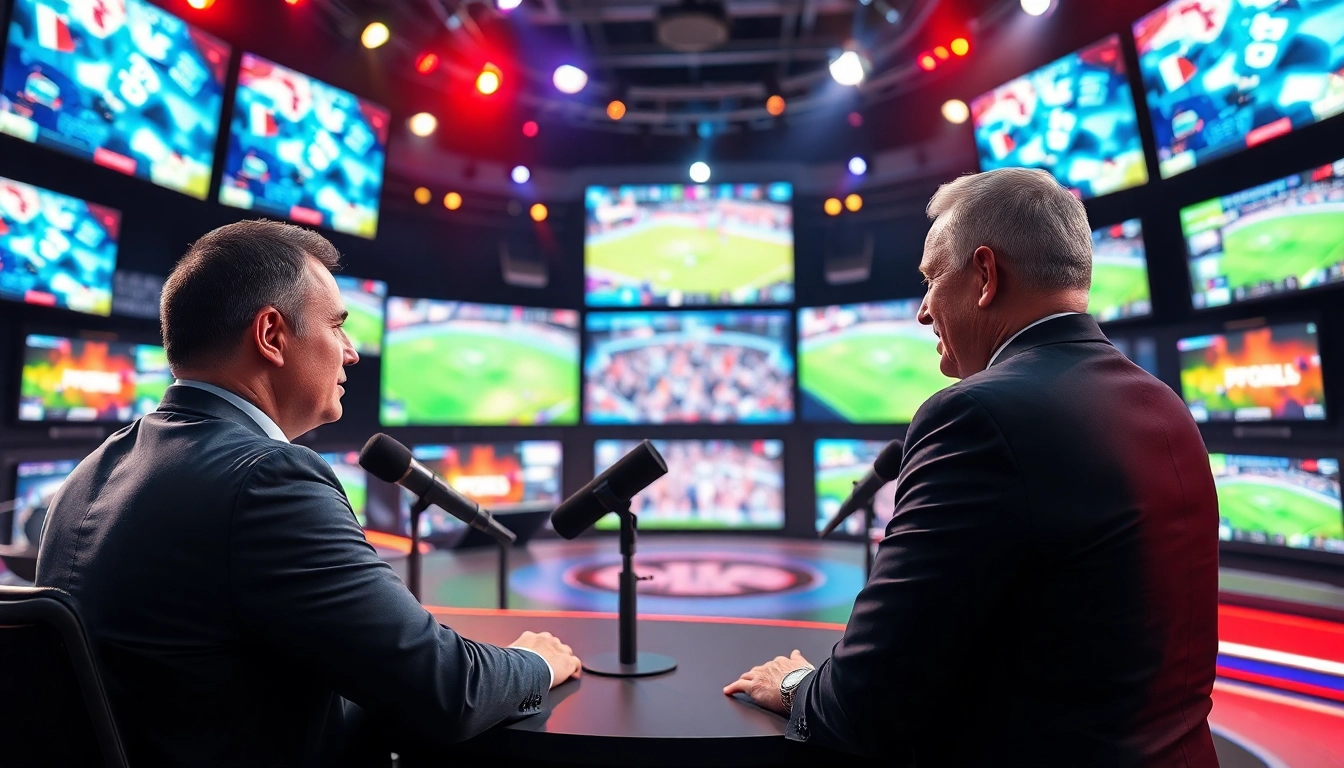
Understanding Sports Broadcasting
Definition of Sports Broadcasting
Sports Broadcasting refers to the live transmission of sporting events through various media channels such as television, radio, and online streaming platforms. It serves as a bridge connecting fans with their favorite sports teams, offering them real-time action and commentary, enriching their viewing experience. Increasingly, digital platforms are becoming the primary outlet for Sports Broadcasting, allowing viewers to engage in multiple ways.
History and Evolution of Sports Broadcasting
The inception of Sports Broadcasting dates back to the early 20th century when the first radio broadcasts of sports events occurred. Initially, sports commentary was a niche offering, primarily reserved for special sporting events. The first significant leap came with television broadcasting in the 1930s, which transformed the way fans consumed sports. Major events like the Olympics and World Series garnered unprecedented viewership. Over the decades, technological advancements have fostered innovations, transitioning from black-and-white broadcasts to high-definition feeds and now to virtual reality experiences.
Significance of Sports Broadcasting
Sports Broadcasting holds immense social and economic significance. It contributes to building community engagement, fostering loyalty among fans, and boosting local economies through enhanced visibility for teams and events. Beyond entertainment, it plays a role in creating a cultural identity around popular sports. Furthermore, Sports Broadcasting is a multi-billion dollar industry that creates thousands of jobs ranging from on-site production crews to commentators, not to mention the significant revenue generated from advertising and sponsorships.
Key Technologies in Sports Broadcasting
Advanced Broadcast Equipment
At the core of effective Sports Broadcasting is advanced equipment that ensures high-quality productions. Outfitting production teams with the latest in-camera technology, sound equipment, and transmission devices is crucial. This includes 4K and 8K cameras for high-resolution images, drones for aerial shots, and augmented reality graphics to enhance storytelling. Moreover, portable satellite units facilitate broadcasting from even the most remote locations, broadening the scope of coverage.
Live Streaming Innovations in Sports Broadcasting
The rise of the internet has revolutionized Sports Broadcasting through live streaming technologies. Platforms like OTT (over-the-top) streaming services allow viewers to consume sports anytime, anywhere. Innovations in adaptive bitrate streaming ensure that even viewers with varying internet speeds receive quality feeds, transforming how audiences experience live events. Interactive features, such as multiple camera angles or viewer polls during broadcasts, further enhance the live sports experience.
Data Analytics in Sports Broadcasting
Data analytics is transforming Sports Broadcasting by providing insights that enhance storytelling and viewer engagement. Broadcasters rely on data to deliver real-time statistics, analysis, and player insights during games. This information not only enriches commentary but also personalizes viewers' experiences. Predictive analytics can gauge audience interest and optimize broadcasting schedules based on viewer behavior, thereby increasing engagement and satisfaction.
Viewer Engagement Strategies
Enhancing Audience Interaction
Engaging audiences extends beyond the game itself; it requires strategic approaches to interaction. Broadcasters can foster community through real-time engagement via social media. Offering polls, live chats, or contests during broadcasts encourages viewers to participate actively, making them feel part of the event. Additionally, post-game analysis discussions or behind-the-scenes features can further captivate audiences and keep them tuned in for future events.
Social Media’s Role in Sports Broadcasting
Social media platforms play a pivotal role in Sports Broadcasting by providing immediate access to highlights, fan reactions, and live interactions. Broadcasters can leverage platforms like Twitter or Instagram to share real-time updates, engaging fans with instant content that complements live games. Utilizing hashtags and creating sharable content increases visibility and generates additional engagement, driving traffic back to the primary broadcast channels.
Creating Immersive Viewing Experiences
To captivate modern viewers, broadcasters are investing in creating immersive experiences that combine traditional viewing with interactive technology. Enhanced graphics, augmented reality overlays, and virtual experiences transport fans closer to the action. For instance, 360-degree views allow audiences to feel as though they are part of live events. Furthermore, by integrating storytelling elements, broadcasters can emotionally connect with their audience, enriching the overall viewing experience.
Challenges in Sports Broadcasting
Overcoming Technical Difficulties
Technical difficulties remain a significant barrier in Sports Broadcasting. Issues such as transmission failures, equipment malfunctions, or poor internet connectivity can detract from viewer experiences. To mitigate these risks, broadcasters should invest in backup systems, conduct thorough pre-event checks, and maintain robust support teams. Developing contingency plans also ensures readiness to address sudden challenges that might arise during a live event.
Legal and Licensing Issues in Sports Broadcasting
Legal and licensing challenges pose complications in the rights to broadcast sporting events. Broadcasters must navigate a labyrinth of agreements that dictate terms, conditions, and permissions between rights holders, leagues, and advertisers. Failure to comply can result in legal ramifications and financial losses. Staying informed about evolving laws, negotiating clear contracts, and maintaining relationships with rights holders are essential steps for broadcasters.
Addressing Viewer Fatigue
As the entertainment landscape expands, viewer fatigue is becoming an ever-pressing challenge. Audiences are bombarded with numerous options; hence, maintaining viewer interest has never been more crucial. Broadcasters should innovate constantly with programming that offers variety and value, such as engaging documentaries, insider insights, or unique commentary formats. Regularly soliciting and analyzing viewer feedback also helps tailor content to meet audience preferences effectively.
Future Trends in Sports Broadcasting
The Rise of Virtual Reality in Sports Broadcasting
Virtual reality (VR) is on the threshold of revolutionizing Sports Broadcasting. Immersive experiences allow fans to "attend" events from their homes, offering a unique perspective that traditional broadcasting cannot match. Fans could experience real-time games from various angles and perspectives, making them feel present in the arena. Expansion of VR technologies could also catalyze new forms of content, including exclusive behind-the-scenes access.
Artificial Intelligence in Sports Broadcasting
Artificial intelligence (AI) continues to infiltrate various facets of Sports Broadcasting, with applications ranging from content creation to automated commentary and enhanced viewer recommendations. AI can analyze viewer patterns to curate personalized content while streamlining production workflows. As technology progresses, AI's role in identifying key moments and generating insights will further enhance the speed and quality of broadcasting.
Predicting Changes in Viewer Preferences
Understanding viewer preferences is paramount for the evolution of Sports Broadcasting. As audience behaviors shift, data-driven insights are critical in adapting programming and delivery methods to cater to emerging trends. Regular analysis of viewer habits, preferences, and feedback informs strategies that not only retain current audiences but also attract new viewers. The future lies in harnessing analytics to predict these dynamic changes effectively.
Frequently Asked Questions
What is Sports Broadcasting?
Sports Broadcasting refers to the live transmission of sporting events through various media channels like television, radio, and online streaming platforms.
How has technology impacted Sports Broadcasting?
Technology has greatly enhanced sports broadcasting by introducing advanced equipment, live streaming capabilities, and interactive viewer experiences.
What challenges do Sports Broadcasters face?
Challenges include technical difficulties, licensing and legal issues, and maintaining viewer engagement amidst competing entertainment options.
What are the future trends in Sports Broadcasting?
Future trends may include increased use of virtual reality, artificial intelligence enhancements, and more personalized viewer experiences based on analytics.
How can broadcasters enhance viewer engagement?
By integrating social media interactions, creating immersive experiences, and utilizing engaging storytelling strategies to connect with audiences.