Understanding Auto Window Tinting
What is Auto Window Tint?
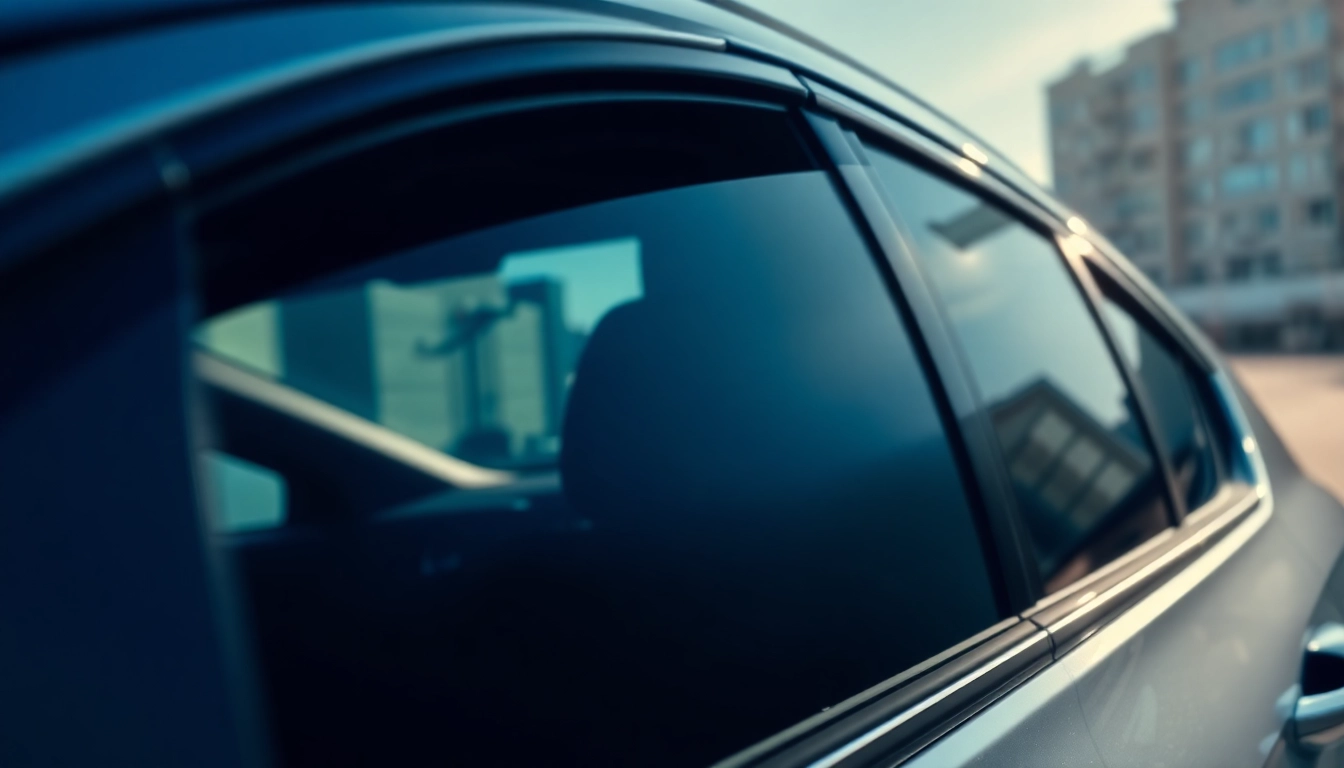
Auto window tinting involves applying a thin film to the windows of vehicles, providing a variety of benefits such as heat rejection, glare reduction, and enhanced privacy. The film is typically made from polyester and may incorporate various materials that enhance its effectiveness. The primary purpose of window tinting is to improve the interior comfort and aesthetics of a vehicle while offering protection against harmful UV rays.
Benefits of Auto Window Tint Near Me
One of the primary reasons individuals search for auto window tint near me is the multitude of benefits that tinted windows offer:
- UV Protection: Tinted windows can block up to 99% of harmful UV rays, protecting your skin and the interior of your vehicle from fading.
- Heat Reduction: Window tint can significantly reduce the heat inside your vehicle, making it more comfortable, especially during hot summer months.
- Glare Reduction: Tints help reduce glare from the sun and headlights of other cars, improving driving visibility and safety.
- Increased Privacy: Tinted glass provides a degree of confidentiality from prying eyes, enhancing your personal space.
- Aesthetic Appeal: A stylish window tint can enhance the overall look of your vehicle, giving it a more sophisticated appearance.
Types of Window Tint Films
There are several types of window tint films available on the market today. Understanding their differences is crucial when deciding on the right option for your needs:
- Dyed Window Film: This entry-level option provides moderate heat rejection and increased privacy but may fade over time.
- Metalized Window Film: This film contains small metallic particles that help block heat and UV rays while enhancing the strength of the glass.
- Carbon Window Film: Known for its durability and excellent heat rejection properties, carbon film does not fade and provides a matte finish.
- Ceramic Window Film: Offering superior heat and UV protection without compromising visibility, ceramic films are ideal for those looking for performance and aesthetics.
- Hybrid Window Film: Combining the advantages of dyed and metalized films, hybrid films are versatile and offer reasonable heat resistance and privacy.
Choosing the Right Tint for Your Vehicle
Factors to Consider in Auto Window Tint Near Me
When searching for auto window tint near me, consider several key factors to ensure you make the right decision:
- Local Regulations: Different states have specific laws regarding window tinting, which dictate the allowable tint percentages and reflectivity.
- Climate: In hotter climates, investing in a higher quality film with significant heat rejection properties can enhance comfort.
- Vehicle Type: Larger vehicles may benefit more from darker shades due to the increased surface area and exposure to sunlight.
- Personal Preference: Consider your personal style; the tint's appearance can significantly impact how you feel about your vehicle.
Understanding Tint Percentage
Tint percentage refers to the amount of light that is allowed to pass through the window film. Understanding this aspect is crucial when choosing the right tint. Common percentages range from 5% (very dark) to 50% (lighter). Here’s how to interpret these percentages:
- 5% Tint: Known as “limo tint,” it blocks 95% of light, offering maximum privacy but minimal visibility.
- 15% Tint: Blocks 85% of light; popular for providing privacy while still allowing some visibility.
- 35% Tint: A common choice, blocks 65% of light, offering a balance between looks, light, and visibility.
- 50% Tint: Blocks half of all visible light, allowing for good visibility while offering some glare reduction.
Legal Considerations for Window Tinting
It's essential to be aware of legal regulations regarding window tinting in your area. Most states have specific laws that dictate the allowable tint percentages and the type of film that can be applied. Non-compliance with these laws can result in fines and the need to remove the tint. Always check with local authorities or a professional installer to ensure your window tint complies with regulations.
Installation Process of Auto Window Tint Near Me
Step-by-Step Window Tint Installation
The installation process for window tint typically involves the following steps:
- Cleaning the Windows: Ensuring that the windows are free of dirt, dust, and debris is crucial for proper adhesion.
- Measuring and Cutting the Film: Accurate measurement is necessary to cut the film according to the dimensions of your windows.
- Applying the Film: Using a solution to wet the window, the installer applies the film, ensuring it adheres properly.
- Smoothing the Film: Using a squeegee, air bubbles and excess solution are removed to create a smooth finish.
- Trimming Excess Film: Any excess film is trimmed to fit the window edges perfectly.
- Final Touches: Once applied, the film is left to cure. It's recommended to avoid rolling down the windows for a specified period.
Common Tools Used for Tinting
When installing window tint, specific tools enhance the precision and quality of the work:
- Heat Gun: Used to shrink the tint film and help it conform to the curves of the window.
- Utility Knife: Essential for trimming the film to fit the window properly.
- Squeegee: A tool for smoothing the film and removing air bubbles efficiently.
- Measuring Tape: To ensure accurate measurements before cutting the film.
- Application Solution: A mixture of water and a few drops of soap used for the installation process.
DIY vs Professional Installation
Choosing between DIY and professional installation of window tint comes with its pros and cons. DIY installations may save you money, but they require careful attention to detail and can lead to undesirable results if done incorrectly. Professional installation typically guarantees a higher quality finish, adherence to local laws, and often includes warranties. For complex installations, professional experts should be preferred to ensure maximum satisfaction.
Maintenance Tips for Window Tint
How to Care for Tinted Windows
To maintain and extend the life of your tinted windows, adhere to the following care tips:
- Wait Before Cleaning: Avoid cleaning the windows for at least a week after installation to allow the tint to cure completely.
- Use Soft Cloths: Always use soft microfiber cloths for cleaning to avoid scratching the tint film.
- Avoid Ammonia: Use ammonia-free cleaning solutions as ammonia can damage the tint.
- Regular Inspections: Periodically check the edges of the tint for any peeling or bubbling.
Signs of Tint Damage
Recognizing the signs of tint damage early can help in scheduling timely repairs or replacements. Look for:
- Bubbles or blisters under the film.
- Peeling edges that separate from the window.
- Fading or discoloration of the film.
- Visible scratches or tears in the film.
When to Replace Window Tint
Replacing window tinting isn't necessary unless you notice significant damage or decline in performance. If you begin to see signs such as peeling, bubbling, or fading, it might be time to consider a replacement. Furthermore, if your current tint does not meet legal regulations, it should be replaced to avoid penalties.
FAQs About Auto Window Tint Near Me
What are the advantages of having auto window tint?
The advantages include enhanced privacy, UV protection, heat reduction, glare reduction, and improved aesthetic value of your vehicle.
How do different tint percentages affect visibility?
Lower tint percentages block more light and offer increased privacy but may reduce visibility, especially at night. Higher percentages allow more light in, maintaining visibility while still providing some tint benefits.
Is auto window tinting legal in my state?
Each state has specific regulations regarding tint percentages and reflectivity. It’s essential to check your local laws to ensure compliance when having window tint applied.
How long does the installation process take?
The installation time for window tint usually takes between two to four hours, depending on the vehicle size and the number of windows being tinted.
Can I clean my tinted windows like regular windows?
It’s advisable to use ammonia-free cleaning solutions and soft microfiber cloths. Avoid harsh chemicals that can damage the tint film.