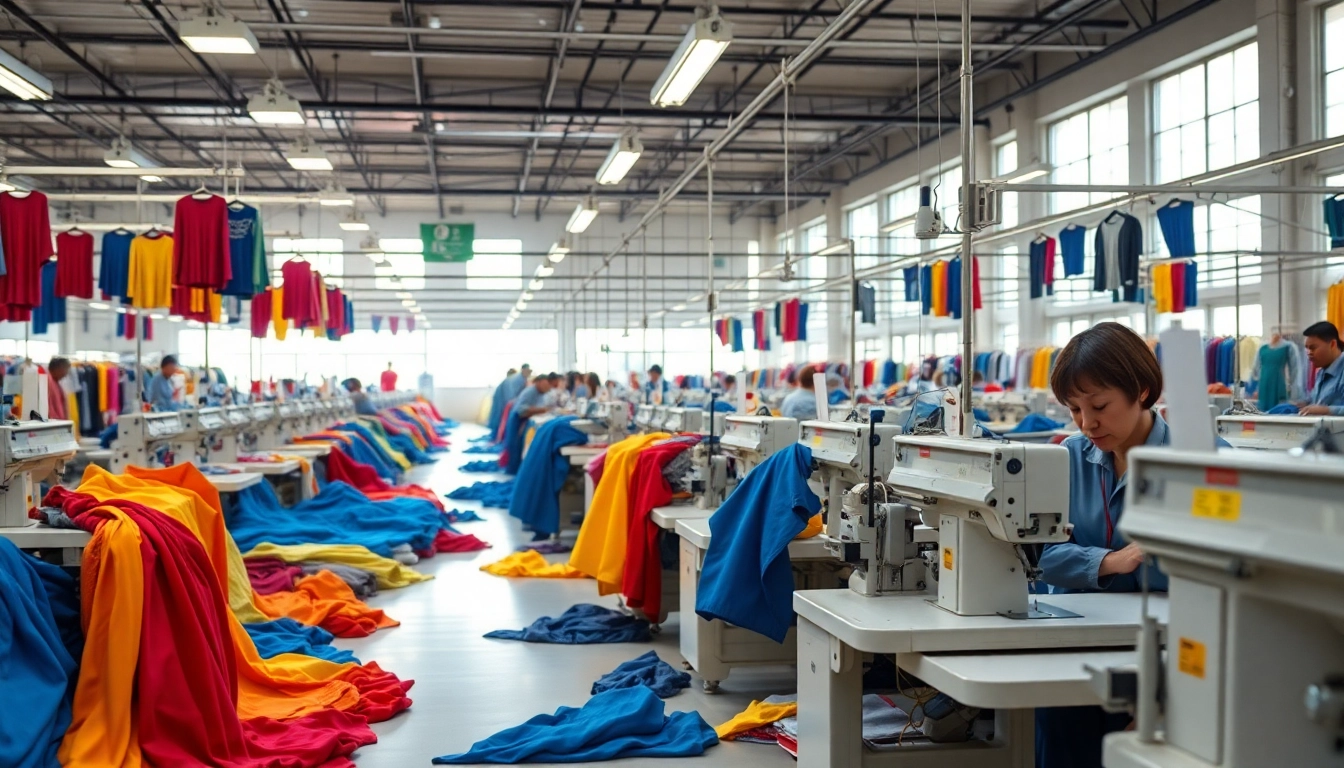
The Role of Clothes Factory China in Global Fashion Supply
Overview of the Clothing Industry Landscape
The global clothing industry is a dynamic and multifaceted sector that significantly contributes to the world's economy. With the continuous evolution of fashion trends, consumer preferences, and technological advancements, the industry itself remains in a constant state of flux. Clothes Factory China plays a pivotal role in this landscape, acting as a critical hub for production, supply chain logistics, and distribution of apparel across various markets.
Key Players and Trends in Manufacturing
The industry comprises a wide range of participants, including fabric manufacturers, garment producers, wholesalers, and retailers. China stands out as a manufacturing giant, known for supplying a significant portion of the world's fashion needs. Current trends leans towards sustainable production processes, fast fashion, and the rise of e-commerce, pushing factories to adapt swiftly and effectively to meet market demands.
Challenges Faced by Clothes Factories
Despite their integral role, clothes factories in China face numerous challenges. Rising labor costs, strict environmental regulations, and the ongoing impacts of global trade tensions can create operational hurdles. Additionally, factories must navigate complexities associated with supply chain management and maintaining product quality while meeting tight deadlines.
Production Processes in a Clothes Factory China
Fabric Selection and Sourcing
The journey of creating a garment begins with the careful selection of fabrics. Clothes factories in China prioritize sourcing high-quality materials from sustainable suppliers to ensure durability and appeal in the final product. The use of technology allows for improved tracking of fabric origins and quality assurance, fostering transparency in sourcing practices.
Sewing and Assembly Techniques
Once the fabrics are sourced, skilled laborers utilize state-of-the-art sewing techniques to bring designs to life. Automation is increasingly becoming a vital aspect of this process, where computerized sewing machines enhance precision and efficiency. The blend of skilled craftsmanship and technology ensures that garments are produced at a higher quality and faster rate.
Quality Control Measures
Quality assurance is non-negotiable in clothes production. Factories implement strict quality control measures at every stage, from fabric inspection to final garment presentation. Regular audits and quality checks help to mitigate errors and maintain high standards, ultimately leading to increased customer satisfaction.
Benefits of Partnering with Clothes Factory China
Cost Efficiency and Scale
One of the primary advantages of partnering with a clothes factory in China is the cost efficiency that comes with large-scale production. Factories benefit from economies of scale, allowing businesses to produce high volumes at lower costs. This price advantage is vital for brands aiming to remain competitive in the fast-paced fashion industry.
Access to Advanced Technology
Chinese factories are increasingly adopting modern manufacturing technologies, including automation and digital textiles. This technological advancement not only streamlines operations but also enhances the overall production quality, enabling brands to deliver innovative designs to the market quickly.
Customization and Flexibility in Production
Flexibility is key in today's fashion world, where trends change rapidly. Clothes factories in China are known for their ability to customize orders, accommodating various styles, sizes, and designs. This adaptability allows brands to cater to diverse customer preferences and respond to trends with agility.
Sustainability Initiatives in Clothes Factory China
Eco-Friendly Materials and Practices
The movement toward sustainability is reshaping the apparel manufacturing landscape. Clothes factories in China are increasingly using eco-friendly materials, such as organic cotton and recycled polyester. By implementing sustainable practices, these manufacturers support global efforts to reduce environmental impact and aim for a circular economy.
Waste Reduction Strategies
Many factories have developed waste reduction strategies to minimize their environmental footprint. Techniques such as lean manufacturing and efficient cutting patterns help reduce fabric waste significantly. Additionally, implement recycling programs for unusable materials ensure that the production process is as environmentally friendly as possible.
Impact on Brand Reputation
Brands that prioritize sustainable practices can boost their reputation and attract environmentally conscious consumers. Collaborating with a clothes factory in China that emphasizes sustainability can enhance a brand's image, leading to increased customer loyalty and support from stakeholders concerned about social responsibility.
Future Trends in Clothes Factory China Operations
Technological Innovations and Automation
The future of clothing manufacturing will undoubtedly revolve around technological innovations. Factories are investing in automation, robotics, and advanced data analytics to enhance efficiency and output. This adoption of technology will facilitate quicker turnaround times and greater production capabilities, positioning factories to meet future demands.
Shifts in Consumer Preferences
Consumer preferences are evolving, with increasing demands for sustainable and ethically produced apparel. Clothes factories in China will need to adapt to these trends by integrating sustainable practices and improving transparency in their operations to meet consumer expectations moving forward.
Preparing for Export Markets
As global trade dynamics continue to evolve, clothes factories in China are gearing up to enter new export markets. Building relationships with global brands and enhancing logistical capabilities will be critical for factories looking to expand their reach and tap into emerging markets worldwide.
Frequently Asked Questions (FAQs)
1. What makes Clothes Factory China a leader in the fashion industry?
Clothes Factory China is recognized for its cost efficiency, skilled labor, and advanced manufacturing technologies, making it a dominant player in global fashion production.
2. How sustainable are clothes factories in China?
Many clothes factories in China are adopting eco-friendly materials and implementing waste reduction strategies to enhance sustainability and reduce environmental impact.
3. What are the main challenges faced by clothes factories in China?
Challenges include rising labor costs, strict environmental regulations, global trade tensions, and maintaining quality while meeting fast-paced demand.
4. How do clothes factories ensure quality control?
Quality control involves rigorous inspections at every production stage, regular audits, and continuous staff training to mitigate errors and uphold high standards.
5. What trends are shaping the future of clothes manufacturing in China?
The future is driven by automation, sustainability practices, adaptability to consumer preferences, and preparation for entering emerging export markets.